We earn a commission if you buy through our links, at no extra cost to you.
Comparison
Best Welders for Home and Small Shops (2026)
Eight welders ranked for home garages and small shops: multiprocess, MIG, AC TIG and flux-cored machines compared on voltage, amperage, duty cycle and weight.
B By the Best Welder editorial team ·Published
At a glance
Choose the Miller Multimatic 220 AC/DC if you want one machine for MIG, stick and AC or DC TIG on 120 or 240 V. The Lincoln POWER MIG 215 MPi is the steel-first alternative, and the Millermatic 211 PRO adds pulsed MIG for thin metal.
Buying a welder comes down to a few questions: which metals you weld, how thick they are, what power you have in the garage, and whether you plan to learn TIG. We compared eight welders from Miller, Lincoln Electric, Hobart and AHP on the specs the manufacturers publish, and ranked them for home garages and small shops. We do not test welders. The ranking is based on published specifications, process coverage, power flexibility and the way each machine fits the typical home or small-shop job, and every spec below is attributed to the maker. Each machine has its own profile with the full detail.
How to Choose a Welder
Processes. MIG (wire with shielding gas) is the easiest to learn and works well on thin and thick metal, according to Miller. Flux-cored uses the same machine with a different wire and needs no gas, which suits outdoor and dirty work. Stick is forgiving on rust and good outdoors. TIG gives the cleanest, most precise beads, but it is slower and harder to learn. A multiprocess machine combines several of these.
120 V or 240 V. Most home outlets are 120 V. A 240 V machine gives much more output for thick steel and aluminum. Dual-voltage models use plug adapters, so you can start on 120 V and move up later. A new 240 V receptacle or circuit is installed by a licensed electrician, and we do not give wiring instructions.
Amperage and duty cycle. Max amps tell you how thick a weld the machine can attempt. Duty cycle tells you how long it can run there: a rating of 30% at 215 A means about three minutes of welding in a ten-minute window. A 100% or 60% rating at a lower current is the more useful number for long beads.
AC TIG for aluminum. Aluminum has an oxide layer that AC TIG breaks up. Only three machines here have AC TIG. Miller says aluminum 14 gauge and heavier suits MIG with 100% argon and a spool gun, and thinner aluminum may need pulsed MIG or AC TIG.
Spool gun. A spool gun puts a small spool of soft aluminum wire at the gun and avoids feeding problems. Most MIG machines here are spool gun ready, but the gun is an extra purchase.
Weight. From 15 lb to 56 lb, the range matters if you carry the machine or load it in a truck.
Whatever you buy, budget for safety gear. OSHA’s eye and face rule requires protection meeting ANSI Z87.1 with a filter shade suited to the work, so you need an auto-darkening helmet, safety glasses, flame-resistant gloves and clothing, and ventilation or local fume extraction. Keep flammables away from sparks, which OSHA’s fire prevention rules describe.
Summary Table
Rank
Welder
Processes
Input voltage
Max output amps
AC TIG
Weight
1
Miller Multimatic 220 AC/DC
MIG, flux-cored, stick, AC/DC TIG
120/240 V
230 A (MIG, 240 V)
Yes
56 lb
2
Lincoln Electric POWER MIG 215 MPi
MIG, flux-cored, stick, DC TIG
120/230 V
220 A (MIG)
No
48 lb
3
Millermatic 211 PRO
MIG, pulsed MIG, flux-cored
120/240 V
230 A (240 V)
No
35 lb
4
Lincoln Electric Square Wave TIG 200
AC/DC TIG, stick
120/230 V
200 A (TIG, 230 V)
Yes
46 lb
5
Hobart Handler 210i
MIG, flux-cored
120/240 V
210 A
No
26 lb
6
AHP AlphaTIG 203Xi
AC/DC pulse TIG, stick
120/240 V
200 A (TIG)
Yes
40 lb
7
Hobart Handler 140EZ
MIG, flux-cored
120 V
140 A
No
Not listed by Hobart
8
Lincoln Electric WELD-PAK 90i FC
Flux-cored
120 V
120 A
No
15 lb
1. Miller Multimatic 220 AC/DC — The Most Complete Machine
The one machine on this list that covers MIG, stick and AC TIG for aluminum, which is why it ranks first. It is the pick for a garage or small shop that wants every process.
What we like
MIG, flux-cored, stick, DC TIG and AC TIG in one 56 lb machine on 120 or 240 V, according to Miller
Auto-Set and QuickTech process switching, with a TIG torch and foot control in the box
Adjustable AC balance and frequency for aluminum TIG
Drawbacks
The aluminum MIG spool gun, shielding gas and safety gear are sold separately
Rated 105 A at 60% on 120 V, so thick steel calls for 240 V
Miller lists MIG, flux-cored, stick and AC/DC TIG on 120 or 240 V in a 56 lb machine, and says it welds mild steel up to 3/8 inch thick. Its QuickTech feature selects polarity and switches processes automatically, and Auto-Set and Pro-Set give starting values. The AC TIG controls adjust balance from 60 to 80% and frequency from 60 to 150 Hz. The limits: the aluminum MIG spool gun is a separate purchase, the 120 V MIG rating is 105 A at 60%, and it is the heaviest here. It is first because nothing else on the list covers aluminum TIG and steel MIG in one case. Read the Miller Multimatic 220 AC/DC profile.
2. Lincoln Electric POWER MIG 215 MPi — The Steel-First Multiprocess
Lincoln’s manual rates it at 215 A and 24.8 V at 30% duty cycle on 230 V, with 120 A at 100%. It runs on 120 V or 230 V, weighs 48 lb, and comes with a Magnum PRO 175L gun and a three-year warranty on parts and labor. It is spool gun ready, and the TIG gas solenoid and foot pedal connector are built in, but the torch and pedal are accessories and the TIG is DC only. Pick it over the Miller when AC TIG is not on your list. See the Lincoln POWER MIG 215 MPi profile.
3. Millermatic 211 PRO — Pulsed MIG for Thin Metal
Miller lists MIG, pulsed MIG and flux-cored on 120 or 240 V, with a rating of 160 A at 60% duty cycle on 240 V and 215 A at 30%, according to Miller’s release. Dyna-Pulse lowers heat input for thin metal and reduces spatter. It has Auto-Set, BeadVision and USB-enabled updates, and Miller lists steel up to 3/8 inch on 240 V. There is no stick or TIG, and aluminum needs a Spoolmate spool gun. See the Millermatic 211 PRO profile.
4. Lincoln Electric Square Wave TIG 200 — The TIG Specialist
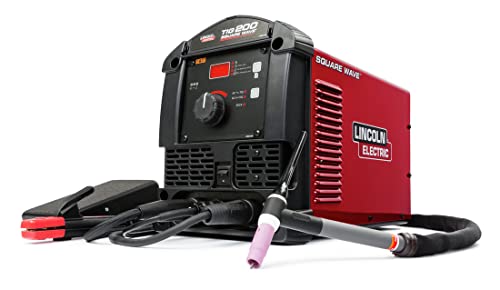
Lincoln lists TIG up to 125 A on 120 V and 200 A on 230 V, stick to 90 A and 170 A, and AC controls for frequency (60 to 150 Hz), balance and pulse, in a 46 lb unit. The PTA-17 torch and foot Amptrol are included. It has no wire feeder, so it ranks below the three versatile machines but above the MIG-only models for readers who prioritize aluminum. See the Lincoln Square Wave TIG 200 profile.
5. Hobart Handler 210i — A Light Dual-Voltage MIG Machine
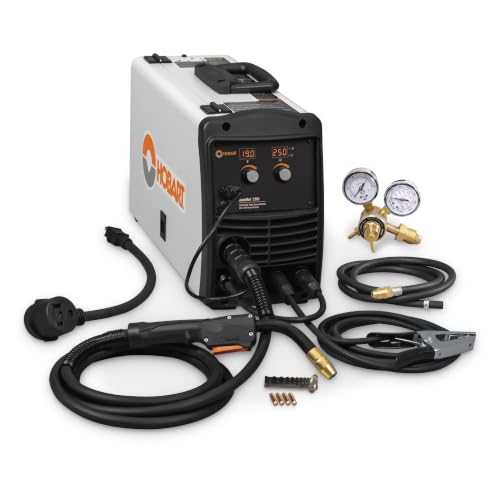
Hobart lists 24 gauge to 3/8 inch steel, a 30 to 210 A range, a built-in gas solenoid, and a spool-gun-ready setup for aluminum. Its 120 V ratings are modest: 45 A at 100% on a 15 A circuit and 90 A at 25% on a 20 A circuit, while 240 V is rated 210 A at 25%. It is the lightest of the dual-voltage machines, with no pulse or extras. See the Hobart Handler 210i profile.
AHP lists 200 A TIG at 60% duty cycle on 240 V, 150 A at 60% on 120 V, pulse in AC and DC, stick to 180 A and a 40 lb weight. A foot pedal and a 120 V pigtail adapter are listed as included. Its manual describes it as designed for users with professional knowledge of TIG and stick, so it is not a first welder. It ranks just below the Lincoln Square Wave TIG 200, the other dedicated AC TIG machine here. See the AHP AlphaTIG 203Xi profile.
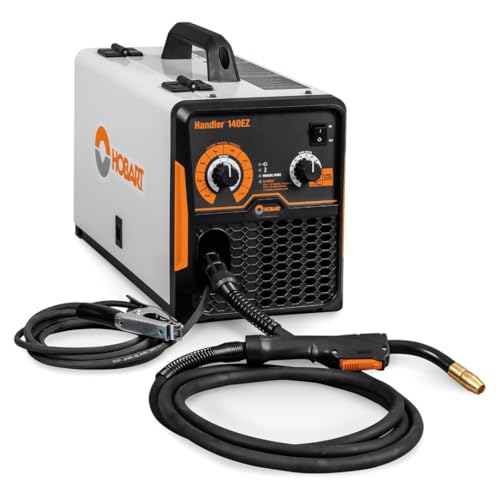
Hobart lists 30 to 140 A, 90 A at 30% duty cycle, and mild steel from 24 gauge to 3/16 inch, with EZ Mode knobs and a spool-gun-ready design. It stays on 120 V only, so it has no headroom for thick steel. See the Hobart Handler 140EZ profile.
8. Lincoln Electric WELD-PAK 90i FC — Ultra-Light Gasless Welder
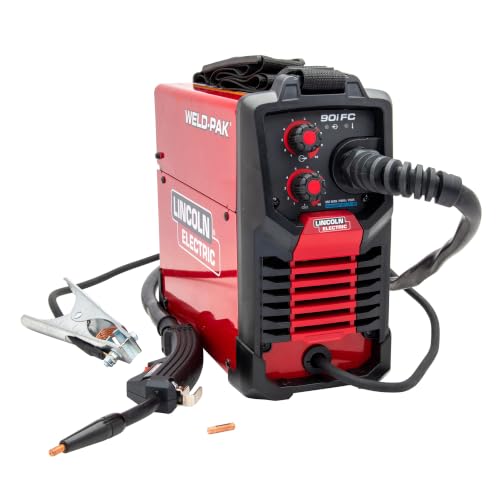
Lincoln lists flux-cored welding up to 120 A and 1/4 inch maximum thickness, with a rating of 90 A at 21 V and 30% duty cycle, plus a shoulder strap. It is flux-cored only, so there is no gas MIG, stick or TIG, and Miller advises against flux-cored wire on thin sheet. See the Lincoln WELD-PAK 90i FC profile.
Recommendations by Use
One machine for everything, including aluminum: the Miller Multimatic 220 AC/DC (1).
Steel fabrication and repair with MIG, stick and DC TIG: the Lincoln POWER MIG 215 MPi (2).
Auto body, thin sheet metal and light fabrication: the Millermatic 211 PRO (3), with pulse for lower heat input.
Aluminum TIG and clean beads: the Lincoln Square Wave TIG 200 (4), or the AHP AlphaTIG 203Xi (6) if you already know TIG.
Garage steel welding that runs on 120 V or 240 V: the Hobart Handler 210i (5).
Light repairs on a standard outlet: the Hobart Handler 140EZ (7).
Outdoor, gasless fixes such as gates and fences: the WELD-PAK 90i FC (8).
Each product card shows a $ badge for its price range within this lineup, and the See price on Amazon button shows the current price.
Before You Weld: Power and Safety
Welding hazards are real. Wear an auto-darkening helmet with the right shade and eye protection meeting ANSI Z87.1, as OSHA’s 1910.133 requires, plus flame-resistant gloves and clothing. Clear flammables from the work area, as OSHA’s fire rules in 1910.252 describe. OSHA’s fume fact sheet says welding fume can harm the lungs, that welding outdoors does not guarantee adequate ventilation, and that stainless steel can produce hexavalent chromium fume, so ventilate or use local exhaust. For 240 V machines, have a licensed electrician install the receptacle. Lincoln’s manual for the POWER MIG 215 MPi, for one, tells owners to have a qualified electrician connect it.
Conclusion
The Miller Multimatic 220 AC/DC is first because it is the only machine that handles MIG, stick, DC TIG and AC TIG. The Lincoln POWER MIG 215 MPi and the Millermatic 211 PRO follow for steel-first multiprocess work and for pulsed MIG on thin metal. After those, pick by the job: a TIG specialist for aluminum, a light dual-voltage MIG for the garage, or a small gasless welder for outdoor repairs. Always check the exact version on the Amazon listing before you buy, and read each machine’s profile for the full specs.
For one machine that covers the most work, we rank the Miller Multimatic 220 AC/DC first because it adds AC TIG for aluminum to MIG, flux-cored and stick. If you only weld steel, the Lincoln POWER MIG 215 MPi or the Millermatic 211 PRO are the stronger fits.
Can I run a welder on a regular 120 V outlet?
Several machines here can, including the Hobart Handler 140EZ and the WELD-PAK 90i FC at 120 V only, and the dual-voltage models at a lower rating. On 120 V the output is limited, so thicker steel and aluminum usually call for 240 V. A new 240 V receptacle is installed by a licensed electrician.
MIG or flux-cored for a beginner?
Miller says MIG is the easiest process to learn, with clean welds and better control on thinner metal. Flux-cored needs no shielding gas and works better outdoors and on dirty or rusty metal, but it throws more spatter and fume.
What do I need to weld aluminum?
Miller says MIG suits aluminum 14 gauge and heavier, with 100% argon and usually a spool gun, and that thinner aluminum may call for pulsed MIG or AC TIG. In this ranking, the Miller Multimatic 220 AC/DC, the Lincoln Square Wave TIG 200 and the AHP AlphaTIG 203Xi do AC TIG.
What safety gear do I need besides the welder?
OSHA's rule on eye and face protection requires equipment meeting ANSI Z87.1 with a shade number suited to the work, so you need an auto-darkening helmet and safety glasses. Add flame-resistant gloves and clothing, and ventilation or local fume extraction, since OSHA says welding outdoors does not guarantee adequate ventilation.
What does duty cycle mean?
It is the share of a ten-minute window that a welder can run at a given output. A 30% rating at 215 A means about three minutes of welding at that output, then seven minutes of rest. Lower output allows longer runs.